Arriving at the Mosque with the Right Intention
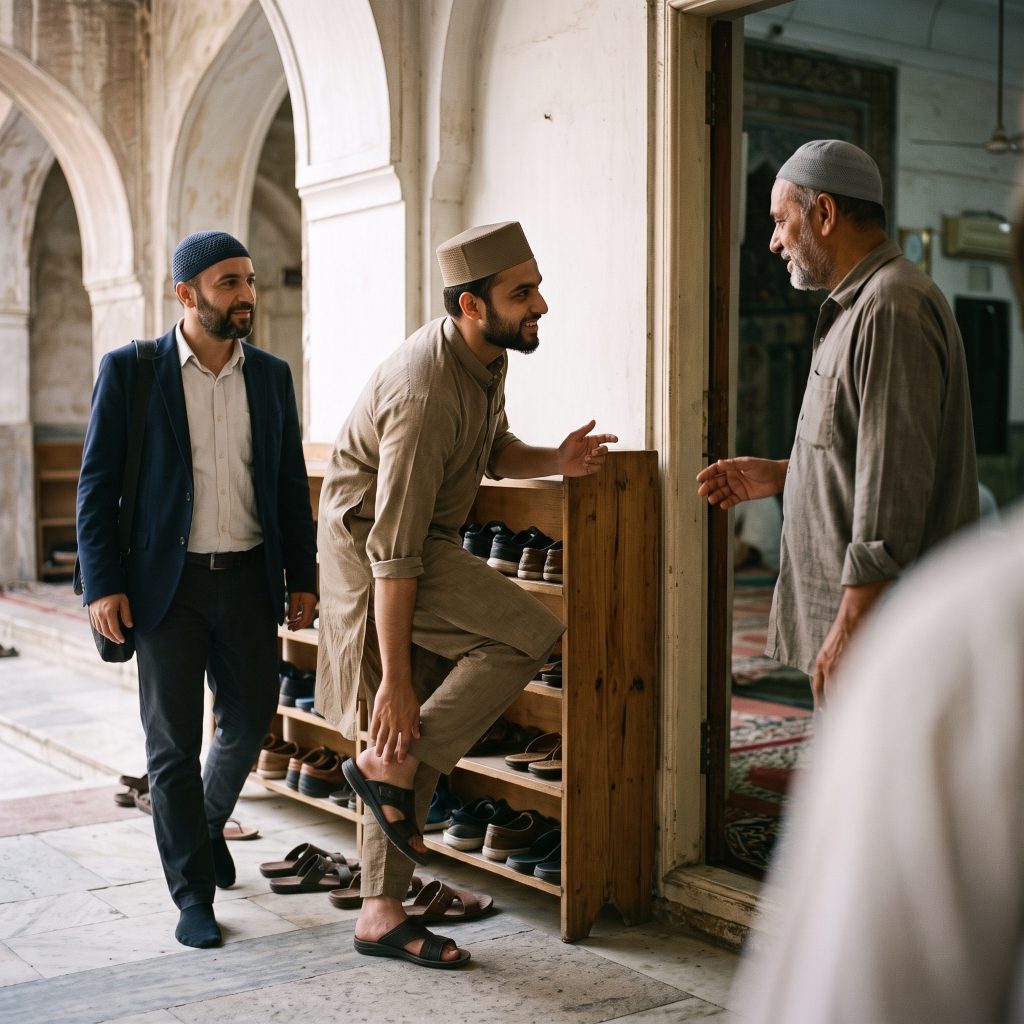
Picture yourself arriving at a local mosque shortly before the prayer begins. A few people are greeting one another near the entrance, someone is arranging shoes on the rack, and others are quietly making their way inside. There is a comfortable sense of familiarity among the regular visitors, but everyone was a newcomer once.
You do not need to look like you have stepped out of a formal portrait to belong in that space. A clean, modest outfit is a good place to start. What matters most is that your clothing respects the purpose of the visit and allows you to pray comfortably.
The Quran offers a beautiful reminder in Surah al-A’raf, verse 31: “O Children of Adam, take your adornment at every place of worship.” This verse encourages believers to approach worship with dignity and care. Wearing presentable clothing is one simple way to reflect that respect. It does not mean dressing extravagantly or buying something new for every visit. Often, the clothes you already own are perfectly suitable when they are clean, modest, and in good condition.
Choosing Clothes That Are Modest and Comfortable
For men, a clean shirt with long trousers is usually a straightforward choice. A tunic or traditional outfit is also a natural fit in many Muslim communities. Choose clothing that covers the body appropriately and is not so tight or revealing that it defeats the purpose of modest dress. Since prayer involves standing, bowing, and prostrating, it helps to wear something that moves comfortably with you.
There is no need to turn getting dressed into a complicated exercise. If you would wear the outfit to a respectful family gathering, it may already be suitable for the mosque, provided it meets the expectations of modesty and cleanliness. Clothing with offensive images or distracting slogans is best left at home.
Women should likewise choose modest clothing that provides the coverage expected for prayer, including covering the hair during salah. A loose outer garment and a suitable headscarf can make preparation easier, particularly when visiting an unfamiliar mosque. Some mosques keep spare coverings near the entrance, but it is helpful to bring your own if you are unsure.
Local customs can influence what people wear. In some places, a long tunic and loose trousers are common, while elsewhere visitors arrive in everyday clothing that meets the requirements of modest dress. You may notice differences in color, style, and tradition. These differences are a normal part of Muslim life, and they do not need to become a source of anxiety for someone who is simply trying to show respect.
Should You Wear a Prayer Cap to the Mosque?
For many Muslim men, putting on a kufi or prayer cap is part of getting ready for salah. It can be a familiar habit learned from a father, grandfather, teacher, or the regular worshippers at a neighborhood mosque. In communities where head coverings are common, wearing one can also feel like a natural way to prepare for prayer.
Still, it is important to understand the difference between a customary practice and a universal requirement. The five main Sunni schools of Islamic law, along with the Ja’fari school, have their own legal discussions and scholarly traditions concerning prayer and dress. A cap is not a universal condition for the validity of a man’s prayer. If you are following a particular scholar or school, consult its guidance for the details relevant to you.
If you already wear a kufi, there is no reason to leave it at home. A simple prayer cap can complete your outfit without making it feel overly formal. If you do not own one, you generally do not need to buy one just to enter a mosque or participate in congregational prayer.
For anyone who enjoys wearing a structured cap, a flat-top style offers a neat, traditional look. If you prefer a structured flat-top cap for a clean silhouette, you can explore the flat-top cap collection and find a style that suits your everyday wardrobe. Think of it as a personal choice, not an entrance requirement.
Cleanliness Matters More Than Fancy Clothing
One of the most practical parts of mosque etiquette is often the easiest to overlook when planning an outfit: cleanliness. Before leaving home, make sure your clothes are fresh and free from anything that might offend others or interfere with prayer. Pay attention to unpleasant odors from clothing, footwear, or heavy fragrances. A little consideration goes a long way when people are standing shoulder to shoulder.
Wudu is part of preparing for prayer, and it is worth giving yourself enough time to perform it without rushing. When you arrive, remove your shoes where appropriate and place them neatly in the designated area. Keep an eye on your belongings so that the entrance stays clear for other visitors.
Remember that cleanliness is not the same as wearing expensive or perfectly pressed clothing. Someone arriving from work in a simple, clean outfit may be showing just as much care as someone wearing a beautifully tailored traditional garment. The aim is to come prepared for worship, not to turn the mosque into a fashion show.
Respecting the Mosque and Its Community
Every mosque has its own rhythm. You might visit a historic mosque with specific visitor arrangements, a small neighborhood musalla, or a large community center with separate prayer areas and facilities. Taking a moment to notice the signs at the entrance can help you understand what is expected.
Some mosques provide robes, scarves, or other coverings for visitors who need them. Others may have guidance about footwear, photography, or access to particular areas. These arrangements are often shaped by the building, the local community, and the needs of worshippers. When in doubt, ask a volunteer or someone responsible for the mosque. A polite question is always better than feeling uncomfortable or making assumptions.
For a little background, the overview of mosques and their role in Muslim life offers a useful introduction to these places of worship. Although architecture and customs differ across the world, the central purpose remains the same: a mosque is a place where people gather to remember and worship Allah.
That purpose is worth keeping in mind as you enter. Speak quietly when people are praying or reciting the Quran. Avoid walking directly in front of someone engaged in salah when possible, and give others room to settle in. These small gestures help preserve the calm atmosphere that makes the mosque special.
Come as You Are, with Respect
It is easy to spend too much time worrying about whether your clothing is exactly right, especially if you are unfamiliar with a mosque’s customs. But the point of preparing for prayer is not to impress the people around you. It is to arrive with a sincere intention and show respect for Allah, the place of worship, and the people sharing it with you.
Choose clean, modest clothing, wear a prayer cap if it is part of your practice, and allow yourself enough time to prepare. If you are visiting an unfamiliar mosque, a little advance planning can make the experience more comfortable. And if you are unsure about a local custom, ask kindly. Most communities are happy to help someone who approaches them with genuine respect.
Above all, remember that a mosque is not only a building where people pray. It is also a place where friendships grow, neighbors meet, and people return to their faith throughout the different seasons of life. Dress with care, enter with humility, and let your attention settle on what brought you there in the first place.

Comments